 Excellent PLC


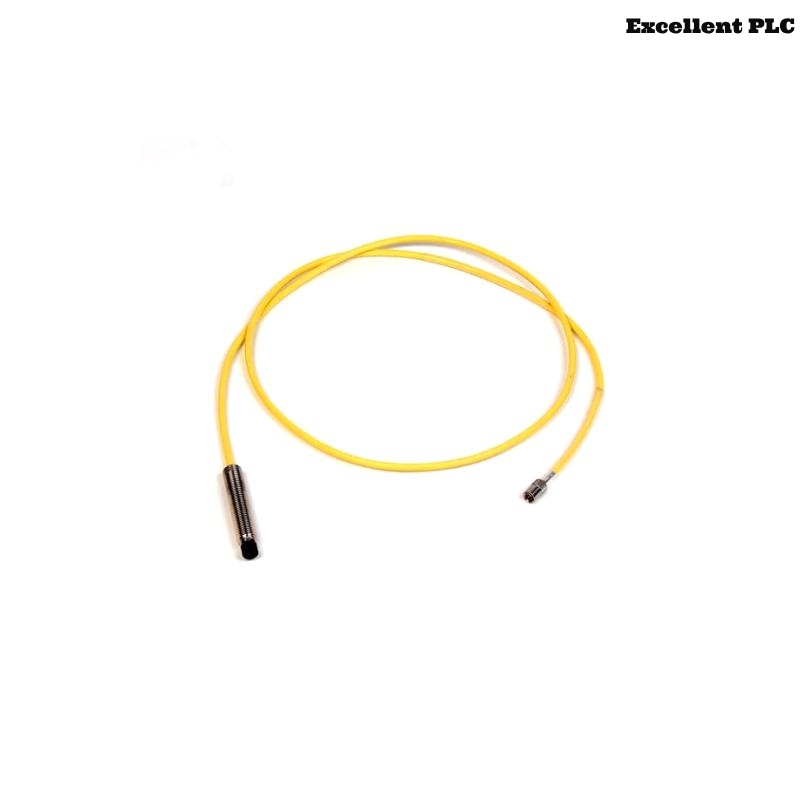
Table of Contents
- 21505-000-040-10-02 Installation Overview
- 7200 8 mm Armored Probe Role in Machinery Protection
- Long-Distance Installation Planning
- Probe Mounting and Armored Cable Protection
- Gap Calibration and Signal Optimization
- Long Cable Routing and System Configuration
- Commissioning Strategy and Signal Validation
- Real Industrial Commissioning Case
- Installation FAQ
- Final Engineering Summary
21505-000-040-10-02 Installation Overview
Bently Nevada 21505-000-040-10-02 7200 8 mm armored standard mount probe installation requires careful cable routing and vibration-resistant mounting to maintain stable shaft displacement monitoring. Long armored cable runs can introduce signal instability if grounding and routing practices are ignored.
This Installation Guide focuses on armored probe Setup, long-distance signal routing, gap calibration, and vibration monitoring Commissioning for industrial rotating equipment.
7200 8 mm Armored Probe Role in Machinery Protection
- Measures shaft vibration and axial displacement
- Supports continuous machine condition monitoring
- Provides durable operation in harsh industrial environments
- Interfaces with PLC Controller and vibration monitoring systems
Long-Distance Installation Planning
- Inspect cable tray routing before installation
- Verify separation distance from high-voltage cables
- Check ambient temperature along cable path
- Plan vibration-resistant cable support points
Probe Mounting and Armored Cable Protection
- Install probe perpendicular to shaft surface
- Prevent excessive force on armored cable connection
- Secure cable near probe housing to reduce vibration stress
- Maintain minimum cable bending radius
  // Armored Cable Protection Logic
  IF Cable_Support_Distance > Limit THEN
      Cable_Vibration_Risk = HIGH;
  ELSE
      Continue_Startup_Test();
  END_IF;
Gap Calibration and Signal Optimization
- Adjust probe until gap voltage reaches -8V to -10V
- Observe voltage stability during shaft rotation
- Verify waveform symmetry during startup
- Store baseline signal values for future Troubleshooting
Long Cable Routing and System Configuration
- Use grounded cable trays for armored cable routing
- Avoid parallel installation with inverter power lines
- Ensure grounding continuity at both ends where applicable
- Verify monitoring rack channel configuration
Commissioning Strategy and Signal Validation
- Monitor signal noise during startup
- Check displacement stability under load changes
- Observe thermal influence on gap voltage
- Validate alarm and shutdown functions
Real Industrial Commissioning Case
During startup of a steam turbine monitoring system, intermittent vibration alarms appeared at high speed:
- Gap voltage fluctuated from -9V to -6.5V
- Signal spikes increased near rated load
We observed that a long unsupported armored cable section vibrated continuously near the machine casing.
After corrective actions:
- Installed additional cable supports
- Re-routed cable away from high-temperature areas
Result:
- Signal stability improved significantly
- False vibration alarms eliminated
Installation FAQ
Why are cable support intervals important for armored probes?
Unsupported sections can transfer vibration stress into the probe connection and affect signal stability.
What gap voltage is recommended during commissioning?
The normal operating range is typically between -8V and -10V DC.
Can long armored cable runs increase EMI risk?
Yes. Incorrect routing near inverter or motor cables can introduce electrical interference.
Final Engineering Summary
The Bently Nevada 21505-000-040-10-02 Installation Guide demonstrates that reliable vibration monitoring depends on proper armored cable management, rigid mounting, accurate gap Setup, and careful System Configuration.